
7 Xeriscaping Ideas for Your Home – Save Money While Saving the Planet
Let’s be honest; most homeowners don’t realize how much of their money is literally going down the drain. According to the Environmental Protection Agency (EPA), U.S. households use nearly 9 billion gallons of water every single day just to keep their lawns and gardens alive. Billions of dollars are poured into sprinklers, fertilizers, and maintenance for grass that often struggles to survive the changing climate.
The good news? There’s a smarter, greener, and far cheaper way to landscape, and it’s called xeriscaping.
Initially developed in the 1980s by Denver Water to help homeowners thrive through drought, xeriscaping is now one of the most practical design shifts happening across the country. I’ve seen it spread from Arizona suburbs to Texas neighborhoods and even to downtown apartment patios.
What began as a desert survival strategy has evolved into a national movement, one that’s saving homeowners up to 60% on water and maintenance costs while boosting property value by as much as 15%.
If you’ve been meaning to upgrade your outdoor space without the high water bills or endless mowing, these seven xeriscaping ideas will help you do exactly that, saving both your wallet and the planet in the process.
Start with a Smart Plan (and Skip the Guesswork)
Every successful xeriscape starts with thoughtful planning. Think of your yard as a mini ecosystem; each section gets the right plant in the right place. Landscape designers call this hydrozoning, grouping plants with similar sun and water needs, so nothing goes to waste.
When I designed my first xeriscape, I used a simple rule: if a plant doesn’t thrive in my climate without daily watering, it doesn’t belong in my yard. That one decision alone cut my water use nearly in half.
Sketch out your layout before planting. Identify sunny versus shaded areas, and note where water naturally collects after rain. Planning saves time, money, and more than a few rookie mistakes.
Replace Thirsty Lawns with Native Beauty
If you’ve ever struggled to keep a traditional lawn green through summer, you already know how demanding grass can be. Xeriscaping flips the script by focusing on native and drought-tolerant plants that actually want to live where you do.
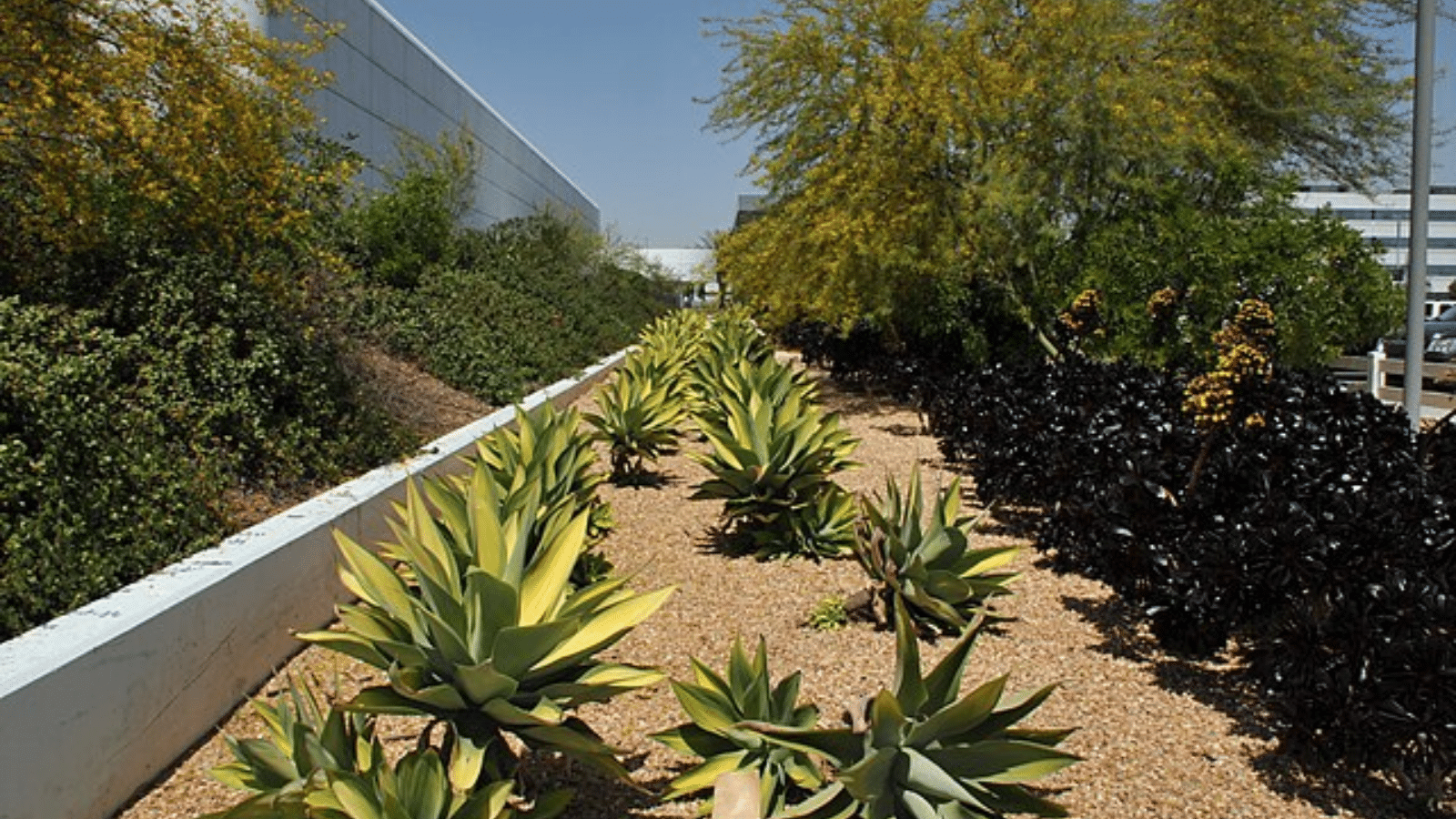
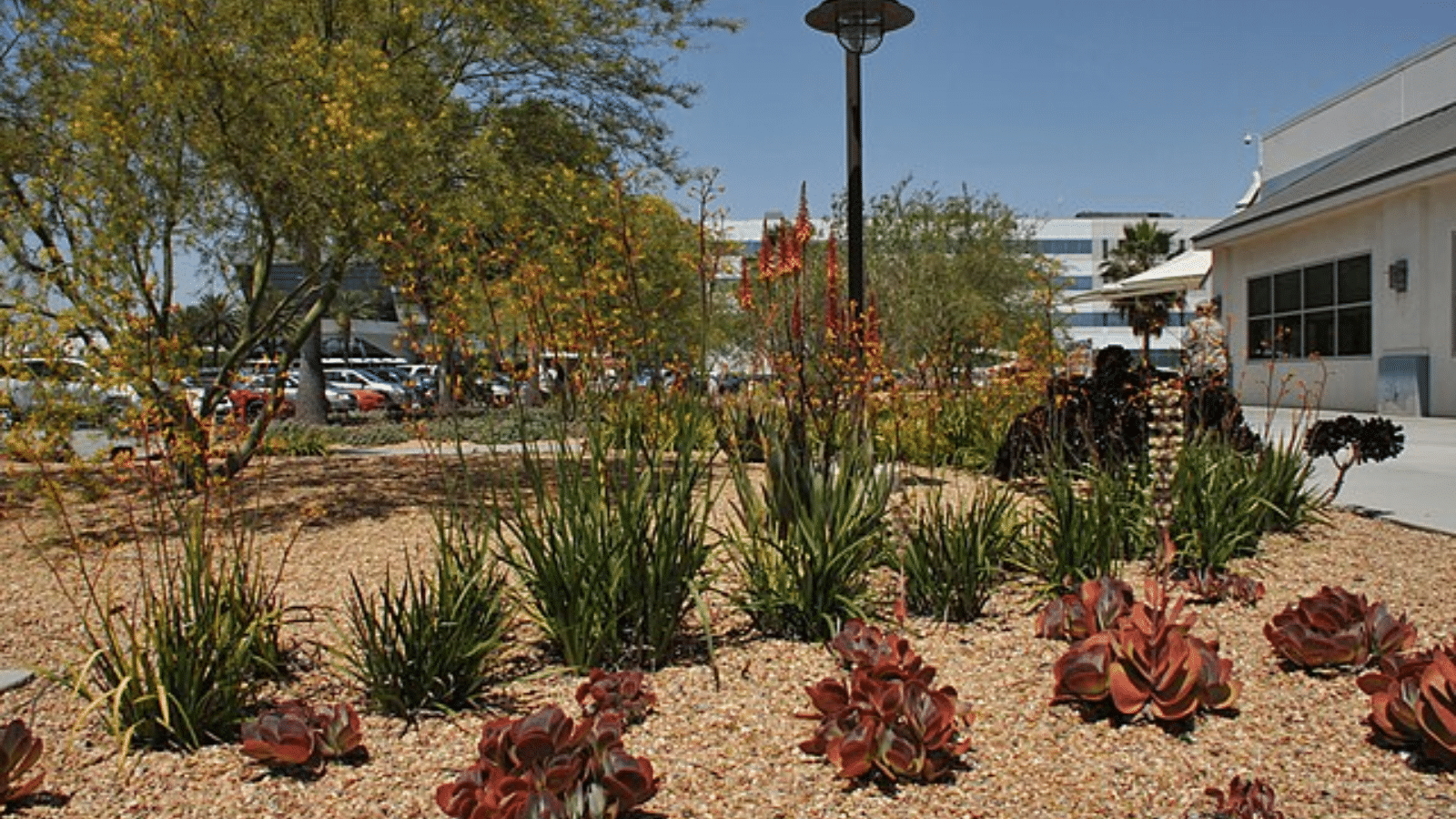
In the Southwest, that might mean agave, desert marigold, or red yucca. In the Midwest, coneflowers, black-eyed Susans, and prairie grasses work wonders. These species adapt to your local soil and rainfall patterns, so you’ll spend less time watering and more time enjoying your yard.
And don’t worry, “low-water” doesn’t mean “low-style.” Today’s xeriscapes are full of color and texture. A mix of succulents, wildflowers, and ornamental grasses can look more alive than a standard patch of turf ever could.
Upgrade to Smart, Efficient Irrigation
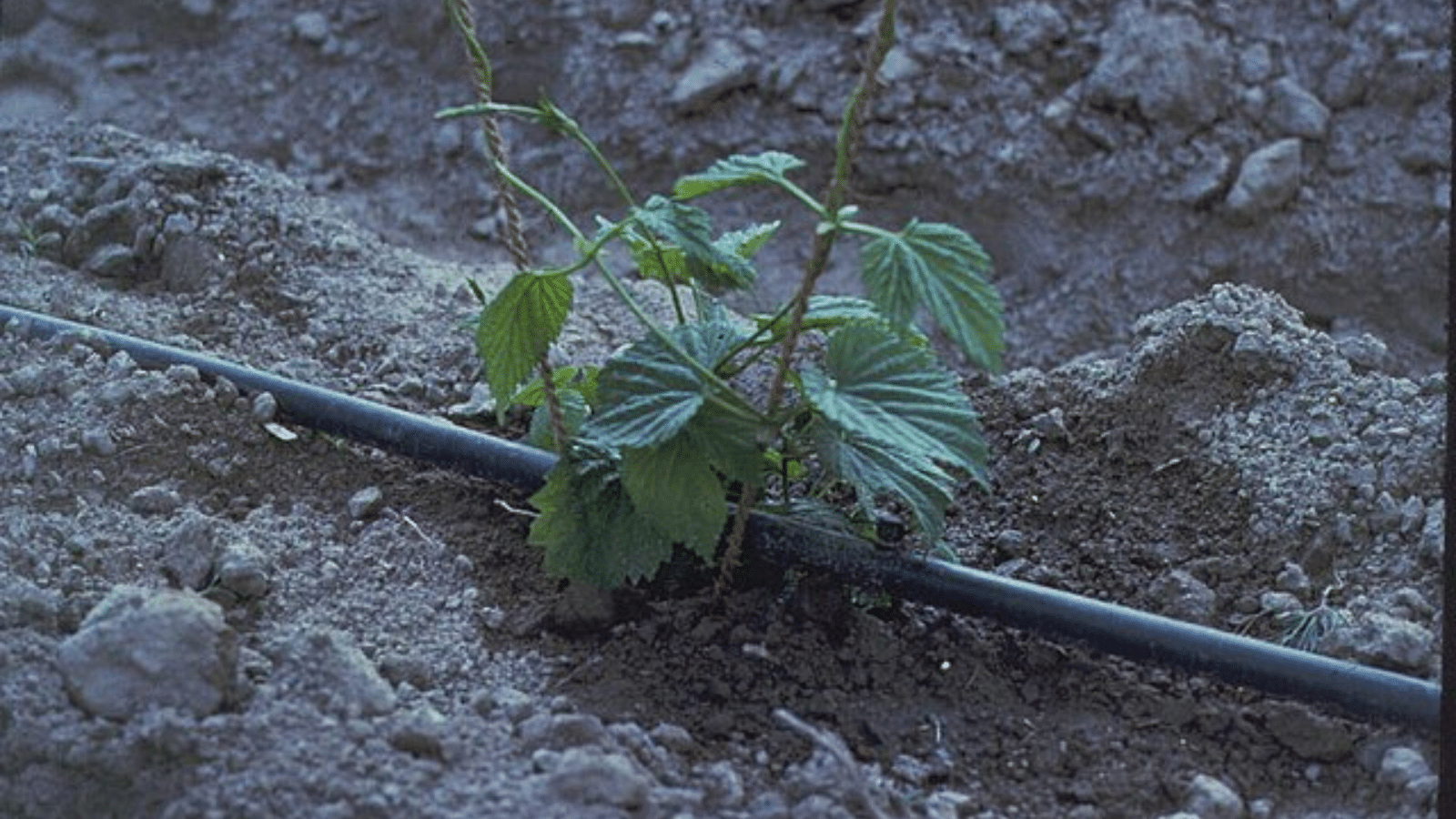
Traditional sprinklers often waste up to 50% of their water through evaporation and runoff. That’s like paying for a full tank of gas and spilling half of it before you even leave the driveway.
Instead, switch to drip irrigation or soaker hoses that deliver water directly to plant roots. Add soil moisture sensors or Wi-Fi irrigation controllers (many now sync with Alexa or Google Home) to automate watering only when your plants actually need it.
A neighbor of mine invested in a $200 smart irrigation system last year, and within one summer, his water bill dropped by $400. Sometimes the smartest tech investments are the ones you bury under mulch.
Use Ground Covers and Hardscapes to Cut Costs
If mowing, edging, and fertilizing sound like chores you’d rather avoid, you’ll love this part. Replacing portions of grass with ground covers like creeping thyme, kurapia, or moss phlox keeps the space lush without the upkeep. These plants stay low to the ground, thrive in dry conditions, and naturally prevent weeds.
You can also blend in hardscaping; gravel pathways, permeable pavers, or a small stone patio. Not only do these additions save thousands of gallons of water a year, but they also boost your property’s value and give your outdoor area more usable space.
When I swapped my side-yard lawn for decomposed granite and a few accent plants, it instantly became the most complimented part of my home. Minimal water, zero mowing, and maximum style, that’s a win in my book.
Layer Mulch Like a Pro
Mulch is the unsung hero of any xeriscape. It keeps the soil cool, locks in moisture, and prevents weeds from stealing nutrients. Plus, it gives your yard that finished, professional look.
Organic mulches like wood chips, straw, or shredded bark work best for flower beds, while gravel or crushed stone pairs perfectly with succulents and native shrubs. The key is to apply a two-to-four-inch layer — deep enough to protect roots but not so heavy that it suffocates them.
The payoff? Less watering, fewer weeds, and a yard that looks freshly maintained year-round.
Attract Life, Not Maintenance
One of the hidden joys of xeriscaping is how it transforms your yard into a living ecosystem. Native plants naturally invite pollinators like bees, butterflies, and hummingbirds; no fancy feeders or chemical sprays required.
I’ll never forget the first spring after my xeriscape took root. The wildflowers drew more life than my yard had ever seen, monarchs fluttered in, and the hummingbirds made it their summer hangout. And the best part? I barely lifted a finger to maintain it.
This biodiversity isn’t just beautiful, it’s essential. A healthy, balanced garden supports local wildlife and helps restore nature’s rhythm right outside your door.
Tap Into Rebates and DIY Savings
Here’s the part that surprises most people: Xeriscaping can literally pay you to go green.
Many drought-prone states now offer turf removal rebates ranging from $1 to $3.50 per square foot, and some cities will reimburse homeowners up to $6,000 for replacing traditional lawns with sustainable landscaping. That’s on top of the long-term water bill savings you’ll see within the first year.
If you prefer the DIY route, you can build a 500-square-foot xeriscape for around $1,500 to $4,000; roughly 60% cheaper than hiring a contractor. Start small: one section of your yard, a few native plants, and a drip line. Before long, you’ll have a stunning, low-maintenance landscape that practically takes care of itself.
Final Thoughts
Xeriscaping isn’t just about saving water; it’s about creating a home that works smarter, not harder. It’s the blend of science, design, and sustainability that turns your outdoor space into an investment rather than an expense.
With the right approach, you’ll cut your bills, conserve resources, and create a landscape that thrives on neglect, all while doing something genuinely good for the planet.
That’s what I call responsible homeownership with style.