



Table of Contents
By November, many backyard gardens are beginning to look a little tired. Summer vegetables have finished producing, flower beds are losing their color, and the colder nights are making outdoor gardening less appealing.
But the arrival of fall doesn’t necessarily mean putting away every gardening tool until spring.
Depending on where you live, you can still grow leafy greens, maintain hardy herbs, or prepare a small planting space for the next growing season. An elevated raised garden bed can make that easier, particularly if you have a small patio, limited backyard space, or simply prefer gardening without constantly bending down.
The LEETOLLA Elevated Bed with Wheels, Keter Urban Bloomer, and Best Choice Elevated Wooden Bed offer three different approaches to keeping a garden manageable as the seasons change.
Why Elevated Garden Beds Make Sense for Small Spaces
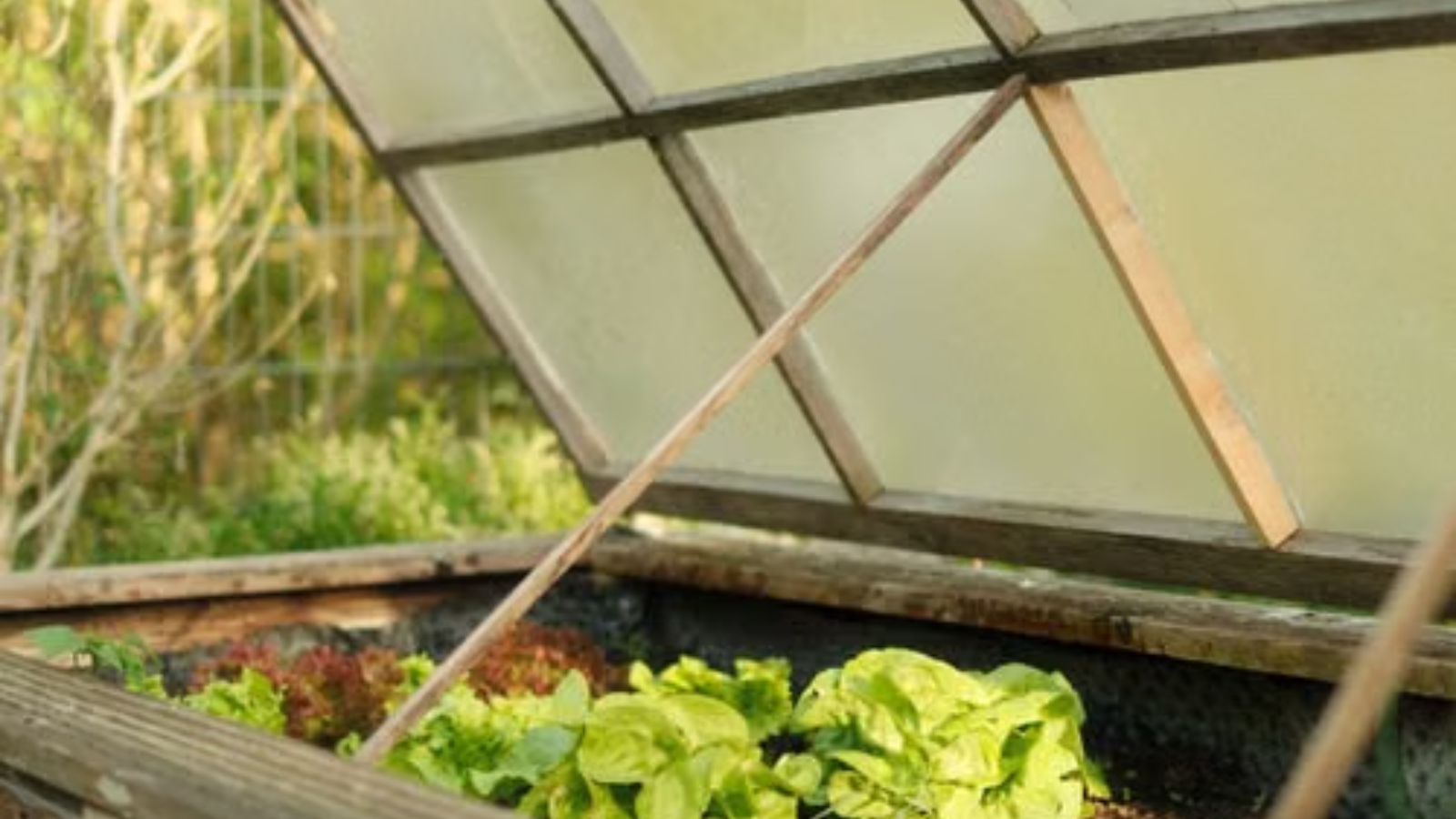
You don’t need a large backyard to grow fresh vegetables and herbs.
A sunny patio, balcony, or narrow outdoor corner can offer enough room for a modest garden, especially when you grow plants in containers.
According to the University of Minnesota Extension, raised beds can make gardening possible in places where traditional in-ground planting isn’t practical. They also bring plants to a more comfortable working height.
That convenience becomes particularly noticeable when you’re watering, checking leaves, or harvesting vegetables several times a week. A raised planter can also help organize small gardens that might otherwise feel overcrowded.
However, elevated beds have one important winter limitation. Because their soil is exposed to colder air, it can freeze faster than soil in the ground.
The right plants, location, and cold-weather protection still matter.
Three Elevated Garden Beds Worth Considering
Each planter offers a different advantage, from mobility to convenient watering and additional planting space.
Quick Picks
- LEETOLLA Elevated Bed with Wheels: Best for gardeners who want to move their planter between sunny and sheltered locations.
- Keter Urban Bloomer: Best for small patios where convenient watering and compact dimensions matter.
- Best Choice Elevated Wooden Bed: Best for gardeners who want a larger planting area with a natural wooden appearance.
Here’s how they compare.
1. LEETOLLA Elevated Bed with Wheels: Move Your Garden Where It Needs to Go
One challenge with patio gardening is that sunlight doesn’t always reach the same places year-round. An area that receives several hours of sunshine in summer might spend much of the colder season in shade.
The LEETOLLA Elevated Garden Bed addresses that problem with a movable design. Standing approximately 32 inches tall, the planter features a powder-coated metal body, wheels, a handle, and a lower storage shelf for gardening supplies.
The manufacturer advertises a weight capacity of up to 400 pounds, though that shouldn’t be confused with how much weight you can move effortlessly across every surface. Its drainage system is designed to let excess water escape rather than remain trapped around plant roots.
For gardeners growing lettuce, spinach, or small herbs, the wheels are particularly useful. You can reposition the planter to take advantage of available sunlight or move it toward a sheltered area before severe weather.
There are limitations, though.
A planter full of moist soil can be surprisingly heavy. Moving it across uneven paving, steps, or soft ground may require assistance.
The metal construction also doesn’t provide insulation against freezing temperatures.
Best suited to: Gardeners who need mobility, standing-height access, and a compact planting station for patios or small backyards.
Check Price on Amazon2. Keter Urban Bloomer: A Compact Garden With Watering Features
Keeping plants watered can be one of the trickiest parts of container gardening. Small planters may dry out quickly during sunny weather, but adding too much water can leave roots sitting in soggy soil.
The Keter Urban Bloomer takes a different approach, with a built-in watering reservoir, water-level indicator, and drainage tap.
Its 12.7-gallon planting capacity suits a compact collection of herbs, leafy vegetables, or small ornamental plants. At approximately 32 inches wide and 31 inches tall, the planter fits into outdoor spaces where a larger garden bed might feel intrusive.
The resin construction has a wood-like appearance without the staining or sealing required for some wooden planters. There’s also a lower shelf for keeping small gardening supplies nearby and a sprouting tray for starting seeds. For someone growing parsley, chives, or a modest salad garden near the kitchen, those features could make everyday care more convenient.
However, the water reservoir needs special attention during freezing weather. Trapped water can freeze, so follow the manufacturer’s draining and storage instructions before temperatures fall below freezing.
Unlike LEETOLLA, the Urban Bloomer isn’t designed around wheels, so repositioning is less convenient.
Best suited to: Gardeners with limited patio space who want a compact planter with built-in watering features.
Check Price on Amazon3. Best Choice Elevated Wooden Bed: More Room for Fall Vegetables
Sometimes, the biggest challenge isn’t finding somewhere to grow vegetables. It’s deciding which plants to leave out. A small herb planter might accommodate a few favorites, but growing several varieties of leafy greens requires more space.
The Best Choice Products Elevated Wooden Garden Bed offers a wider planting area measuring approximately 48 inches long and 24 inches wide. Standing 30 inches tall, it brings the growing surface closer to waist height.
The planter is made of fir wood and includes a liner to hold soil while allowing drainage. Its planting area provides approximately five cubic feet of space, making it suitable for arranging several crops in separate sections. You could grow leaf lettuce along one side, parsley near the middle, and another cool-season green in the remaining space, as long as their spacing and growing requirements are compatible.
The natural wood finish also fits comfortably into patios where appearance matters as much as practicality. However, this model doesn’t include wheels. Once filled with soil, moving it becomes difficult. Wood also needs occasional inspection for moisture damage, and assembly is required.
Best suited to: Homeowners who want a larger, stationary growing area with a traditional wooden look.
Check Price on AmazonHow the Three Garden Beds Compare
| Product | Main advantage | Best for | Consideration |
|---|---|---|---|
| LEETOLLA | Wheels and storage shelf | Moving plants to sunnier or sheltered spots | Heavy when filled |
| Keter Urban Bloomer | Water reservoir and indicator | Compact herb and salad gardens | Reservoir needs winter care |
| Best Choice Wooden Bed | Larger planting area | Growing several vegetables together | Stationary design |
For a small balcony or patio, Keter offers convenient watering features. LEETOLLA stands out when mobility matters, while Best Choice provides more room for planting.
What Can You Actually Grow During Fall and Winter?
The answer depends heavily on your location.
In warmer regions, gardeners may still establish cool-season crops in November. In colder states where the soil has already frozen, planting outdoors may need to wait until spring unless you have appropriate protection.
According to the University of Maryland Extension, spinach, kale, arugula, and several other leafy vegetables are well suited to fall gardening.
Leaf lettuce is another useful option, particularly when harvested young. Parsley can also tolerate cooler conditions, although severe freezes may damage exposed growth.
Many of these crops work well in containers. In fact, lettuce, radishes, and several culinary herbs can grow successfully in relatively small planting spaces.
If you’re starting in November, check your local frost dates and the time each crop needs to mature. In colder regions, established plants may be more practical than starting seeds outdoors this late. An elevated bed creates a convenient place to grow plants, but it doesn’t automatically extend the growing season.
How to Protect an Elevated Garden Bed From Winter Cold
A raised planter may be easier to maintain, but its exposed soil needs attention when temperatures drop. The University of Minnesota Extension explains that raised-bed soil experiences greater temperature fluctuations than in-ground soil.
For mild cold spells, a suitable horticultural row cover can help protect established greens. It should be secured so wind doesn’t blow it away, while still allowing appropriate ventilation. Movable planters can sometimes be shifted toward a sheltered location. However, an unheated garage without sufficient light isn’t a permanent growing environment for active vegetables.
Pay attention to watering, too.
Plants generally need less water in cooler weather, but their soil shouldn’t dry out completely while they’re actively growing. At the same time, excess water must drain.
Winter garden maintenance remains important even when plants appear to have stopped growing.
If your garden is winding down for the season, remove diseased plant material, replenish suitable soil amendments, and prepare the planter for spring.
It’s also worth draining and storing garden hoses before freezing temperatures arrive, particularly if your watering equipment remains outdoors.
Frequently Asked Questions
Are elevated raised garden beds good for vegetables?
Yes. They can accommodate leafy greens, herbs, and other vegetables when the planting depth, drainage, sunlight, and spacing suit the crops.
Can you leave an elevated garden bed outside during winter?
Many outdoor planters can remain outside, but plants, water reservoirs, and certain materials may need protection. Follow the manufacturer’s instructions and consider local freezing conditions.
Which elevated garden bed is best for a small patio?
The Keter Urban Bloomer offers a compact footprint and watering features. LEETOLLA may be more convenient if you need wheels to reposition the planter.


